


The retail sector is undergoing a profound transformation. Digitalization drives innovation in consumer engagement. In particular, mall kiosks equipped with LCDs are becoming essential. Retailers increasingly adopt self-service solutions to improve efficiency. These interactive kiosks combine functionality, 利便性, and advanced digital technology.
Digital Transformation Driving Mall Kiosk Adoption
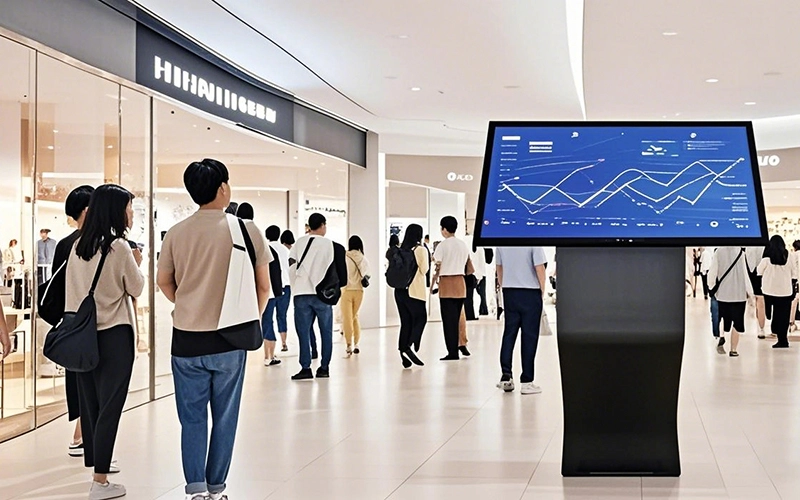
Retailers face growing demand for personalized experiences. Consumers expect quick access to information and seamless transactions. Mall kiosks address these needs. They allow instant product browsing, ordering, and payment. さらに, interactive LCDs enhance visual engagement. High-definition screens capture attention and communicate promotional content effectively. Retailers benefit from real-time updates, targeted advertising, and dynamic content display.
The push for contactless solutions, accelerated by global events, has increased kiosk adoption. Consumers prefer minimal physical interaction while maintaining convenience. Self-service terminals meet these expectations. Retailers also leverage mall kiosks for operational efficiency. Kiosks reduce staffing requirements while providing consistent service quality. They streamline order processing, inventory management, and customer service.
Consumer Behavior and Experience Expectations
Modern consumers prioritize speed, 利便性, and interactivity. They expect digital interfaces that respond instantly. LCD-enabled kiosks satisfy these expectations by delivering intuitive navigation. Personalization remains a key factor. Smart kiosks can store user preferences, recommend products, and adapt interfaces. Such features enhance engagement and encourage repeat visits.
Visual appeal also influences consumer perception. Bright, high-resolution screens combined with sleek designs project professionalism and innovation. Retailers using advanced LCD kiosks communicate trustworthiness and sophistication.
Interactive kiosks facilitate omni-channel integration. Customers can check online inventories, place orders for home delivery, or locate products in-store. This unified experience strengthens brand loyalty.
Technological Innovations Shaping the Industry
Technological advancements accelerate growth in mall kiosks. LCD panel improvements provide higher resolution, better contrast, and wider viewing angles. Touchscreen technology enhances responsiveness and precision.
Integration with AI and IoT enables data-driven insights. Retailers can track user interactions, measure campaign effectiveness, and optimize content dynamically. Analytics-driven displays improve decision-making and revenue generation.
Kiosk software platforms increasingly support modularity. Retailers customize interfaces, features, and layouts without hardware modifications. This flexibility allows rapid adaptation to market trends. Connectivity solutions, including wireless networks and cloud platforms, enhance functionality. Remote management of multiple kiosks becomes feasible. アップデート, troubleshooting, and monitoring occur in real time.
Energy-efficient designs also gain attention. Retailers seek terminals with low power consumption to reduce operating costs and environmental impact. LCD technology innovations contribute to sustainable retail solutions.
Market Growth and Opportunities
The mall kiosk market continues to expand globally. Increasing retail digitalization, consumer demand for interactivity, and operational efficiency drive growth. Analysts predict significant year-on-year adoption rates.
New opportunities emerge in sectors beyond traditional retail. エンターテインメント会場, 空港, ホテル, and healthcare facilities adopt self-service LCD kiosks. These sectors benefit from interactive guidance, ticketing, and information services.
Retailers exploring experiential marketing also invest in mall kiosks. Interactive displays allow immersive product demonstrations and gamified promotions. Engaging experiences drive higher foot traffic and conversion rates.
Customization offers additional growth potential. Companies can tailor kiosk appearance, screen content, and software functions. Custom solutions align with brand identity, reinforcing consumer recognition and loyalty.
さらに, integration with mobile devices strengthens customer engagement. QR code scanning, NFC, and Bluetooth connectivity allow seamless interaction between kiosks and smartphones. Retailers enhance convenience and data collection simultaneously.
Challenges and Strategic Considerations
Despite opportunities, challenges exist. Initial investment costs for high-quality LCD kiosks can be substantial. Retailers must weigh potential ROI carefully. Maintenance and technical support are critical. Frequent software updates, screen calibration, and hardware troubleshooting ensure consistent performance. Neglecting these factors affects user experience negatively.
Data security is a growing concern. Kiosks processing personal information or payment data require robust protection. Retailers must comply with local regulations and implement advanced cybersecurity measures. User interface design also impacts adoption. Complex or unintuitive interfaces reduce engagement. Retailers should prioritize simplicity, accessibility, and clear navigation.
 Case Studies of Successful Mall Kiosk Deployment
Leading brands illustrate the benefits of mall kiosks. Fashion retailers integrate interactive LCD kiosks for product catalog browsing. Customers explore styles, sizes, and availability instantly. Supermarkets utilize kiosks for self-checkout and promotions. LCD screens guide shoppers through transactions efficiently, reducing wait times. Airports deploy kiosks for ticketing and information services. Passengers access flight details, check-in options, and boarding instructions without human assistance.
These case studies demonstrate the versatility, operational efficiency, and consumer satisfaction achievable with advanced LCD kiosks.
Future Outlook and Industry Evolution
The mall kiosk industry is poised for further innovation. AI-powered recommendations, voice-activated interfaces, and augmented reality displays are emerging trends. Integration with e-commerce platforms will deepen. Customers may purchase online while interacting with physical kiosks. Retailers benefit from hybrid sales channels and richer consumer insights. Sustainability trends will shape hardware and material choices. Energy-efficient LCD panels, recyclable casings, and modular designs will dominate. Environmentally conscious retail will influence consumer perception positively.
安全, customization, and analytics will remain critical for competitive differentiation. Companies that anticipate these demands will capture the growing market share.
結論
Mall kiosks equipped with advanced LCDs represent the future of retail. They combine interactivity, efficiency, and personalized experiences. Digitalization, consumer expectations, 技術革新により急速な普及が促進される. LCD キオスクへの戦略的投資により小売業の業績が向上, 顧客エンゲージメント, 運用効率と. このテクノロジーを採用する企業は、目に見える競争上の優位性を獲得します.
結局のところ, モールのキオスク業界は拡大しているだけではありません; 消費者が物理的な小売スペースとやり取りする方法が変わりつつあります. 先進的な企業の統合 スマートLCDキオスク 次世代の小売体験を定義する.


