


Digital advertising expands rapidly as businesses seek new ways to capture attention in public spaces. Brands now rely on modern display systems to deliver targeted campaigns with visual impact. Two dominant technologies continue to shape this market: touch screen kiosks and LED displays. Each system offers unique strengths, yet they serve different objectives, audiences, and environments. Because advertising strategies vary across industries, it becomes important to understand how these technologies differ. By comparing performance, clarity, interaction, and operational context, organizations can choose the right solution for long-term impact. As expectations evolve, both systems play important roles in the world of smart advertising.
Understanding the Role of Touch Screen Kiosk Solutions
Touch screen kiosk solutions support interactive communication. They allow users to engage with campaigns through direct contact. This interaction changes the traditional one-way advertising model. Instead of passively viewing content, visitors explore information at their own pace. Touch screens enhance user engagement because they respond instantly to gestures. This real-time interaction delivers a customized experience that increases retention. Retailers, transportation hubs, musées, and corporate spaces rely on kiosks because they support wayfinding, navigation sur les produits, and service inquiries. De plus, touch screen kiosk solutions encourage visitors to participate actively in digital storytelling.
Understanding the Function of LED Advertising Displays
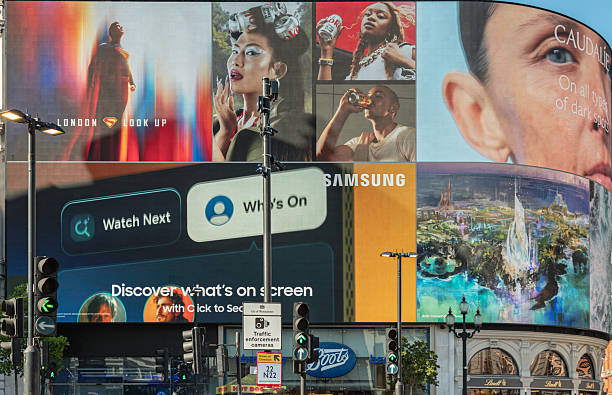
LED displays focus on large-scale visual communication. They offer brightness, vivid color, and high visibility across long distances. These qualities make LED screens ideal for outdoor billboards, shopping mall façades, and event stages. LED technology supports continuous operation in different weather conditions. Par conséquent, LED displays attract attention even under direct sunlight. They deliver strong visual impact and wide viewing angles. Unlike kiosks, LED screens prioritize broadcast-style advertising. Their primary strength lies in reaching broad audiences through high-intensity imagery and dynamic motion graphics.
Visual Quality and Audience Perception
Visual clarity influences advertising effectiveness. Touch screen kiosks use LCD panels that offer fine detail, smooth edges, and high pixel density. This clarity supports close-range interaction. Users can read small text or examine product details without difficulty. En revanche, LED displays use pixel clusters designed for long-distance visibility. While modern LED screens improve resolution, they still prioritize scale over fine detail. Par conséquent, LED displays work better for large-format graphics rather than small text. When advertisers need precise imagery, touch-screen kiosk solutions deliver superior clarity.
Interaction vs. Broadcast Reach
Interaction defines the main difference between these two systems. Touch screen kiosks guide users through personalized journeys. This is effective for industries that rely on decision-making, such as retail, hospitalité, and public services. Because kiosks support two-way communication, they collect data from user behavior. The insights help organizations refine their strategies. On the other hand, LED displays reach huge audiences with a single message. They suit environments where attention must span across crowded spaces. Examples include streets, stadiums, and commercial centers. Each system supports different advertising goals. Yet both contribute to stronger brand awareness when placed strategically.
Content Versatility and Engagement Strategy
Touch screen kiosk solutions host rich content, including product catalogs, menus, promotional videos, and interactive applications. Users navigate content based on interest, which increases engagement time. Kiosks adapt quickly to seasonal updates or live campaigns. They also support multilingual options, which help businesses serve diverse communities. LED displays, however, focus on high-impact visuals. They succeed with short messages, brand logos, animations, and promotional highlights. Although they cannot interact with individuals, they dominate wide spaces with strong visibility. Par conséquent, advertisers often pair LED displays with kiosks to balance reach and interaction.
Placement and Environmental Adaptability
Placement affects both technologies differently. LED displays excel in outdoor settings because they resist sunlight, heat, moisture, and dust. Their brightness ensures visibility in all weather conditions. Many cities rely on LED billboards to communicate public information and safety alerts. Meanwhile, touch screen kiosks normally appear in indoor spaces or controlled environments. They require protection from excessive heat, glare, and heavy moisture. Cependant, modern outdoor kiosk designs incorporate rugged housings and anti-glare coatings to improve durability. Even so, LED screens remain the preferred option for large outdoor zones.
Maintenance and Long-Term Reliability
Maintenance determines long-term value. LED displays require periodic inspection of modules, power supplies, and cooling systems. Although they offer strong durability, outdoor units face more environmental stress. Touch screen kiosk solutions need regular cleaning and software updates. Because users interact directly with screens, the surface must stay clean and responsive. En outre, kiosks depend on stable software performance. Smooth operation enhances user confidence. While both technologies benefit from modern engineering, kiosks require more software maintenance, and LED screens require more hardware inspection.
Cost Structure and Investment Efficiency
Cost varies across display size and system complexity. LED displays often require a higher initial investment because they cover large areas and operate at high brightness levels. They also consume more power, especially in outdoor setups. Yet LED screens offer long service life and strong advertising visibility. Touch screen kiosks cost less per unit, making them accessible for retail chains and public institutions. Because kiosks deliver both information and advertising, their value extends beyond promotions. The return on investment depends on content strategy, visitor engagement, and placement density.

Brand Experience and Emotional Connection
Brand experience helps advertisers differentiate themselves. Interactive touch screen kiosk solutions create immersive experiences that encourage exploration. They allow users to personalize choices, view product options, and complete actions such as booking or purchasing. This involvement fosters emotional connection. En revanche, LED displays appeal through visual spectacle. Their scale and brightness create memorable impressions. They strengthen brand identity by dominating large viewing zones. Both technologies support emotional engagement, yet they do so through different pathways. Together, they shape a complete brand ecosystem.
Data Collection and Analytics Capability
Data drives modern advertising. Touch screen kiosks gather precise visitor data, including interaction patterns, browsing behavior, and time spent on specific content. This information helps organizations optimize campaigns. Analytics allow businesses to measure performance with accuracy. LED displays handle data differently. They provide impression estimates based on traffic flow and audience measurement tools. Although LED screens offer fewer behavioral insights, they still help brands assess visibility impact. By combining both technologies, advertisers achieve comprehensive data coverage.
Energy Consumption and Sustainability Considerations
Sustainability influences modern business decisions. LED displays consume more power due to their brightness and operating area. Manufacturers now incorporate energy-saving drivers and improved thermal design to reduce consumption. Touch screen kiosk solutions typically consume less energy, especially when equipped with smart sensors. These sensors activate the screen only when visitors approach. This improves efficiency while reducing operational expenses. Sustainable design adds value for businesses seeking to reduce their carbon footprint.
Hybrid Advertising Strategies
Many organizations now combine touch screen kiosk solutions with LED displays. LED screens attract viewers from afar, while kiosks engage users up close. This hybrid strategy enhances campaign depth. D'abord, the LED display draws attention. Then, the kiosk provides details and interaction. This approach increases campaign conversion. It also supports dynamic storytelling across multiple stages of the customer journey. The combination delivers stronger brand influence in complex environments such as malls and airports.
Conclusion: Choosing the Better Advertising Tool
Touch screen kiosk solutions and LED displays offer unique strengths in modern advertising environments. Kiosks deliver personalized interaction, rich information, and measurable engagement. LED displays provide long-distance visibility, large-scale impact, and strong brand presence. The decision depends on advertising goals, operating environments, and audience behavior. When brands need engagement and data, kiosks offer ideal value. When they need mass visibility and bold graphics, LED displays excel. Many organizations benefit from combining both technologies to create comprehensive advertising ecosystems. By understanding how each system functions, advertisers can choose strategies that enhance communication, improve user experience, and strengthen brand influence.
