


High-brightness LCD screens transform modern bus stop communication. Public transport systems rely on clear visual information under all lighting conditions, especially during peak daylight hours. Par conséquent, operators use advanced bus stop LCD advertising screens to deliver reliable, readable content. Their technology ensures consistent visibility despite intense sunlight, shifting viewing angles, and environmental challenges. Understanding how these screens achieve high readability helps explain their growing use in smart urban spaces.
Modern commuters expect accurate, real-time information. They check schedules, route updates, emergency alerts, and advertising content while waiting. Yet daylight glare makes conventional screens unreadable. High-brightness LCDs address this issue with optical enhancements, intelligent brightness control, and sophisticated panel design. Each feature improves visual clarity and ensures screens remain functional throughout the day.
Why Daylight Visibility Matters in Public Transport
Daylight readability impacts user trust. When commuters cannot see information, frustration increases, and system reliability appears lower. Urban transport networks depend on efficient passenger flow. Clear visual guidance helps manage peak-hour congestion and improves safety. Bus stop LCD advertising screens support these goals by offering bright, consistent visuals that cut through ambient light.
En plus, advertising content drives revenue for transport authorities. Poor visibility reduces impressions and weakens advertiser confidence. High-brightness technology preserves brand impact by maintaining vibrant images despite harsh sunlight. This capability ensures stable advertising performance and higher long-term value.
Understanding High-Brightness LCD Technology
High-brightness displays use specialized backlight systems. These systems generate brightness levels far above standard indoor screens. While indoor displays offer 300 à 500 nits, outdoor bus stop screens often exceed 2,500 nits. Some advanced models reach 4,000 nits for extreme sunlight conditions. The increased luminance ensures content remains sharp and legible even under direct sunlight.
High-brightness LCD backlights use dense LED arrays. These LEDs provide stronger output while maintaining energy efficiency. Advanced optical films improve light diffusion and direct brightness toward the viewer. Par conséquent, content appears stronger and more uniform, reducing washout effects created by daylight.
Anti-Glare and Anti-Reflection Engineering
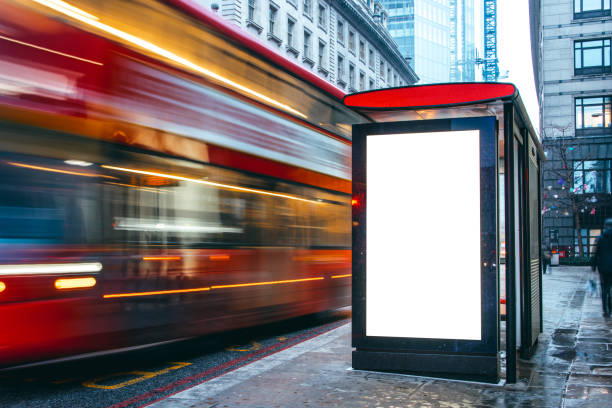
Brightness alone cannot solve glare. Outdoor screens face intense reflections from glass surfaces. Donc, bus stop LCD advertising screens incorporate anti-glare coatings and low-reflection glass. These treatments minimize mirror-like reflections and reduce visual interference.
Optical bonding further enhances clarity. This process removes air gaps between the LCD layer and the cover glass. Without this gap, internal reflections decrease, and sunlight penetration reduces. The screen gains higher contrast and better color stability. Optical bonding also improves impact resistance, making the display suitable for public environments.
Polarization technology adds another layer of protection. By controlling light direction, polarized glass reduces surface reflections while preserving brightness. Users benefit from improved contrast ratios even when the sun hits the screen directly.
Brightness Control and Ambient Light Sensors
Constant maximum brightness wastes energy and accelerates component wear. Smart bus stop displays use ambient light sensors to adjust brightness dynamically. These sensors detect surrounding conditions and increase or decrease output accordingly.
During peak sunlight, the screen boosts brightness to maintain visibility. During cloudy periods or nighttime, the system reduces output to save energy. This approach preserves LED lifespan and enhances sustainability. Dynamic brightness control also stabilizes contrast perception, ensuring comfortable viewing at all times.
Color Accuracy and Contrast in Outdoor Conditions
High-brightness displays must retain color fidelity despite extreme light. Sunlight can wash out hues, flatten images, and reduce contrast. Donc, panel designs integrate enhanced color filters and wide gamut technology. These features preserve color saturation under bright conditions.
Higher contrast ratios help text and graphics stand out. Black levels remain stable due to improved liquid crystal alignment and light-blocking structures. The combination of high contrast and wide color gamut creates content that remains visually compelling, even during midday sun.
Viewing Angle Considerations for Public Spaces
Passengers view screens from various angles. Bus stops have wide spatial layouts, and commuters approach displays from multiple directions. To ensure readability, high-brightness LCD screens use wide viewing angle technology.
IPS (In-Plane Switching) panels provide consistent color and contrast up to 178 degrees. This uniformity enables passengers to read information without standing directly in front of the display. Wide-angle visibility also increases the effectiveness of advertising content, reaching more viewers in a crowded environment.
Thermal Control for Outdoor Durability
High-brightness LCD systems generate heat due to strong LED output. Outdoor environments add additional heat stress. Donc, thermal management becomes essential for display longevity.
Advanced screens use intelligent cooling systems. Active cooling relies on fans to circulate air, while passive cooling uses conductive materials to dissipate heat. Some displays combine both methods for stable operation. Thermal sensors monitor panel conditions and adjust cooling intensity to protect internal components.
Sunlight exposure increases thermal load, so UV-resistant materials protect LCD layers from damage. UV-blocking glass prevents discoloration, and reinforced frame structures maintain alignment under temperature changes. These design elements ensure stable performance in demanding outdoor settings.
Weather Protection and Structural Integrity
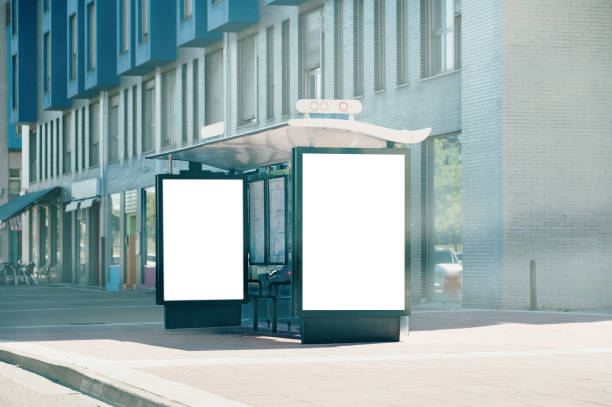
Outdoor bus stop displays require strong environmental protection. Housing materials must resist rain, dust, humidity, and vandalism. Manufacturers use sealed enclosures with IP ratings to ensure long-term reliability.
IP65 enclosures protect against water jets and dust ingress. Internal components remain safe under harsh weather and frequent cleaning. Impact-resistant glass prevents cracks from accidental strikes or vandalism. Rugged construction ensures the display continues operating without service interruptions.
Anti-condensation systems maintain visibility by regulating internal humidity. Temperature control prevents moisture buildup on the inner surface of the glass. These protections guarantee consistent visibility throughout seasonal changes.
Energy Efficiency in High-Brightness Designs
High brightness demands careful energy management. LED technologies reduce power consumption compared to older lamp systems. En outre, dynamic brightness control minimizes unnecessary power usage.
Power supplies include efficiency-optimized circuits that reduce thermal waste. Low-voltage LED drivers support stable brightness without increasing load. Solar power systems offer additional energy savings when integrated into bus stop structures.
The combination of efficient LEDs, adaptive brightness, and optimized power supplies lets operators maintain high visibility without excessive operating costs.
Content Optimization for Daylight Conditions
Visibility depends not only on the hardware but also on content design. Operators must create layouts suitable for outdoor clarity. High contrast graphics, simple fonts, and bold colors improve readability.
Real-time transit data appears in legible formats. Reading distance influences font size and spacing. Motion graphics follow controlled speeds to avoid motion blur under bright conditions. Designers use color contrast to separate essential information from background elements.
Dynamic content management systems support quick updates. These systems ensure passengers receive accurate information, regardless of the time of day. Advertising content also adapts to ambient light, maintaining a strong brand presence.

Integration with Smart Transport Infrastructure
Bus stop LCD advertising screens integrate with broader smart city networks. These connections enable real-time updates from traffic control systems. Data flows seamlessly from central servers to the screen. This integration enhances operational efficiency and improves user trust.
Displays can show emergency alerts, weather warnings, or congestion updates. Multi-network connectivity ensures stability even when one network fails. Secure data protocols protect systems from unauthorized access.
En plus, IoT sensors collect usage data. Operators gain insights into foot traffic, engagement levels, and display performance. This information supports maintenance planning and advertising optimization.
Maintenance and Long-Term Reliability
Outdoor screens require consistent maintenance to ensure top performance. Dust, heat, and environmental exposure can degrade quality. Cependant, high-brightness LCD systems reduce maintenance needs due to strong protective layers and durable components.
Front-access designs simplify service operations. Technicians can replace modules without removing the entire unit. LED backlit systems offer long lifespans, reducing downtime and replacement costs.
Remote monitoring systems track brightness levels, temperature, and component status. Predictive maintenance reduces failures and optimizes service scheduling.
The Strategic Value of High-Brightness LCD Bus Stop Screens
High-brightness LCD screens offer strategic advantages for public transport systems. Their strong daylight visibility supports efficient passenger flow and enhances safety. Advertising revenue increases because content remains clear under all conditions. Operators gain a reliable communication tool that adapts to real-time data and environmental conditions.
These screens represent an intersection of optical science, engineering precision, and smart city innovation. Their daylight performance results from advanced brightness systems, anti-glare engineering, thermal control, and environmental protection.
As cities continue developing smart infrastructure, high-brightness LCD bus stop advertising screens will remain central to public communication. Their ability to deliver clear content in harsh sunlight makes them essential for modern transit environments.
