


Outdoor advertising demands clear visibility under varied lighting. LCD screens face challenges such as sunlight, reflections, and color distortion. Anti-glare technology and precise color calibration ensure impactful messaging. HOSDA’s outdoor LCD advertising screens combine these solutions to deliver superior performance.
The interplay between ambient light and screen technology defines readability. Excess glare reduces content visibility, while inaccurate colors compromise brand perception. Engineers employ advanced optical coatings and backlight management to overcome these issues. These innovations ensure that outdoor displays maintain clarity, vibrancy, and consistency.
Understanding Glare and Its Effects
Glare occurs when reflected light interferes with screen visibility. On outdoor LCD advertising screens, direct sunlight is the primary contributor. It reduces contrast, washes out colors, and decreases readability.
Diffuse reflections scatter light across the display surface, diminishing image clarity. Operators need screens that maintain legibility across different times of day and weather conditions. Anti-glare coatings absorb or redirect incident light, reducing reflections and enhancing contrast.
Además, surface texture plays a role. Matte finishes diffuse sunlight, preventing hotspots. Micro-etched layers manage light distribution, ensuring uniform visibility. These techniques allow outdoor displays to remain readable in bright environments without increasing brightness excessively.
Color Accuracy and Visual Impact
Color accuracy defines how closely displayed content matches intended hues. Outdoor conditions challenge color reproduction due to ambient lighting variations. High-quality outdoor LCD advertising screens maintain precise color across diverse lighting scenarios.
Advanced color calibration ensures consistent hue, saturation, and brightness. Dynamic contrast adjustment compensates for sunlight, preserving image integrity. Accurate color enhances brand recognition and message effectiveness.
Además, wide color gamut panels improve vibrancy and realism. HDR (High Dynamic Range) technology expands brightness and contrast ranges, producing vivid images that attract attention even in high-ambient-light settings.
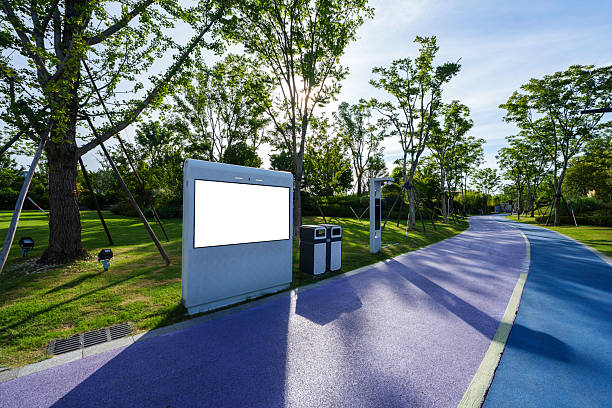
Backlight Engineering for Outdoor Use
Backlighting determines both brightness and uniformity. Outdoor screens require high-nit LED backlights to compete with sunlight. Proper backlight distribution ensures even illumination across the panel.
Local dimming technology enhances contrast by reducing brightness in dark areas without affecting bright regions. This approach improves depth perception and overall visual quality. Efficient backlight management reduces power consumption while maintaining clarity.
Backlight longevity is essential for outdoor installations. LED arrays must resist thermal stress and degradation over prolonged exposure. Robust backlight systems extend operational life and reduce maintenance costs.
Optical Coatings and Surface Treatments
Anti-reflective coatings minimize surface glare while preserving transparency. Multi-layer coatings combine refractive and absorptive properties to manage reflected light.
Hydrophobic layers repel water and dirt, maintaining screen clarity in outdoor environments. Anti-scratch coatings protect against physical damage, ensuring consistent performance.
Surface treatments are carefully engineered to maintain color fidelity. Inadequate coatings may reduce brightness or distort colors, undermining readability. High-quality outdoor LCD advertising screens balance glare reduction with visual fidelity.
Sensor Integration for Adaptive Performance
Many outdoor screens incorporate ambient light sensors. These sensors adjust brightness dynamically, responding to environmental changes.
Adaptive backlighting ensures readability without wasting energy. Sensors also optimize contrast, reducing glare under low-light conditions. Real-time adjustment enhances visibility while preserving color accuracy.
This approach extends screen lifespan by preventing overdriving the backlight unnecessarily. It also improves user experience by maintaining consistent visuals regardless of sunlight intensity.

Material Selection and Display Durability
Outdoor displays face harsh environmental conditions. High temperatures, humidity, UV radiation, and wind stress panels continuously. Engineers select materials that resist degradation while supporting optical performance.
Glass, polymer overlays, and metal frames contribute to structural integrity. UV-stabilized coatings prevent color shifts caused by prolonged sun exposure. High-strength materials protect internal electronics while maintaining slim, lightweight designs.
Sealing techniques prevent moisture ingress and dust accumulation. Durable outdoor LCD advertising screens operate reliably year-round, minimizing downtime and maintenance.
Design Considerations for Readability
Viewing angles, pixel density, and screen size impact readability. Wide-angle panels maintain contrast and color fidelity from multiple perspectives. High-resolution panels preserve detail in close viewing, which is crucial for urban installations.
Screen orientation and tilt angle also influence glare management. Designers optimize placement to minimize direct sunlight exposure. These decisions complement optical coatings and backlight engineering, creating a comprehensive readability strategy.
Content Optimization for Outdoor Displays
Effective outdoor advertising combines technical performance with compelling content. Designers must consider brightness, contrast, and motion when creating visuals.
High-contrast designs improve legibility under sunlight. Bold colors, simplified layouts, and readable fonts reduce visual fatigue. Real-time content management systems allow dynamic updates, enhancing relevance and engagement.
Interactive elements, such as QR codes or motion-triggered visuals, benefit from consistent color and brightness. Accurate reproduction ensures that interactive features function reliably and attract user attention.
Maintenance and Long-Term Performance
Regular calibration preserves color accuracy and brightness uniformity. Cleaning routines prevent dirt accumulation that could reduce contrast.
Monitoring tools track backlight performance, temperature, and environmental stress. Proactive maintenance extends the lifespan of outdoor LCD advertising screens. Modular design facilitates component replacement, minimizing downtime.
Durable design coupled with proper maintenance ensures displays perform reliably across seasons, maintaining both visual impact and brand reputation.
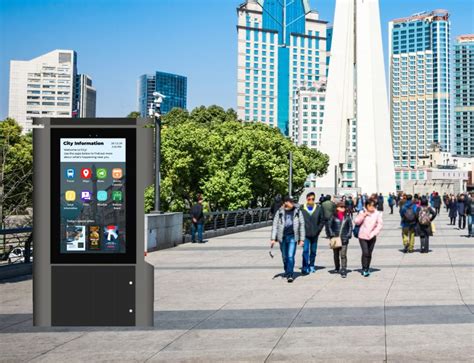
Energy Efficiency and Sustainability
Outdoor high-brightness screens consume significant power. Adaptive brightness, efficient LEDs, and optimized cooling reduce energy consumption. Sustainable manufacturing materials and recyclable components improve environmental impact. Long-lasting components reduce replacement needs, lowering operational costs and environmental footprint.
Energy-conscious design aligns with sustainability goals without sacrificing visibility or color accuracy. Hosda prioritizes solutions that combine high performance with responsible energy usage.
Summary and Strategic Insights
Anti-glare and color accuracy are crucial for pantallas publicitarias LCD para exteriores. Glare management ensures visibility, while precise color reproduction maintains brand integrity.
High-performance backlighting, optical coatings, and sensor integration optimize readability under variable conditions. Durable materials and adaptive designs ensure long-term reliability. Content optimization, maintenance, and energy efficiency enhance overall value. Advanced technology trends promise further improvements in interactivity, actuación, and sustainability.
Outdoor LCD advertising screens combine engineering, optics, and design to deliver impactful, reliable, and visually accurate messages. Their science ensures that brand communication remains clear, engaging, and effective in challenging outdoor environments.
