


Why Public Environments Demand Stronger Touch Screen Engineering
Public spaces expose technology to pressures rarely seen in private settings. Every display must endure unpredictable weather, heavy daily use, and occasional misuse. Because these challenges never disappear, engineers must emphasize durable design. Modern LCD digital kiosk touch screens require more than high brightness and smooth visual performance. They also demand strong protection, stable structure, and long-term reliability. As cities adopt more digital systems, the engineering of outdoor and indoor public screens becomes increasingly important. This shift transforms display design from a simple technical task into a long-term durability strategy.
Understanding the Public Environment: The Real-World Threats Facing Kiosk Displays
Touch screens in public locations operate under unstable and sometimes extreme conditions. Unlike controlled indoor commercial devices, public screens cannot rely on stable temperatures, dry environments, or predictable user behavior. لذلك, engineers must understand these risks before designing the system.
Public areas expose devices to dust, moisture, and airborne pollutants. These elements slowly damage internal components if protection is inadequate. بالإضافة إلى ذلك, rain or snow can create direct electrical hazards. Because these screens run continuously, moisture protection becomes a critical requirement.
Mechanical force also creates constant pressure. People use public screens with varying levels of care. Some tap gently; others apply excessive force. Children may strike or push the glass. Meanwhile, cleaning teams often use harsh chemicals or abrasive tools. If the surface coating fails, visibility and performance degrade quickly.
لكن, the greatest challenge involves intentional damage. Public devices remain vulnerable to prying, scratching, or vandalism. لذلك, engineers must create systems that resist deliberate harm while maintaining smooth touch interaction.
Understanding these real-world risks forms the foundation for reliable LCD digital kiosk touch screens in modern infrastructure.
IP Rating as the First Defense Against Environmental Challenges
The IP rating is the first essential benchmark for public-use screens. It defines the level of protection against solid particles and liquids. Because outdoor kiosks face unpredictable weather, engineers must choose an IP rating that fits the installation environment.
IP54 provides basic protection for indoor public spaces. It blocks most dust and minor splashes. لكن, outdoor areas require higher ratings. IP65 shields equipment against strong jets of water. This level supports open-air stations and semi-covered urban walkways. Meanwhile, IP67 protects screens that may experience temporary submersion, such as flood-prone locations.
بالإضافة إلى, engineers must design sealing structures that tolerate expansion, contraction, and long-term environmental stress. These seals must resist UV exposure and chemical corrosion. Over time, weak seals crack and leak. Because consistent protection is essential, structural integrity becomes part of a long-term engineering strategy.
How IP Protection Influences Internal Component Design
An IP rating affects more than exterior performance. Because sealed devices trap heat, internal components require specific thermal solutions. يجب على المهندسين تصميم التبريد باستخدام الفتحات الذكية, بالوعة الحرارة, أو لوحات التوصيل. تحافظ هذه الحلول على أداء مستقر دون كسر الختم البيئي للجهاز.
متقدم LCD digital kiosk touch screens غالبًا ما يتم دمج أنظمة التبريد بدون مروحة. وهذا يقلل من تدفق الهواء, تدخل الغبار, واحتياجات الصيانة. نتيجة ل, تعمل الحماية الهيكلية والإدارة الحرارية معًا لتوفير تشغيل يومي مستقر.
مقاومة التأثير الهندسي للبيئات ذات الحركة المرورية العالية
تحدد مقاومة الصدمات قدرة الجهاز على تحمل القوة البدنية. في الأماكن العامة ذات حركة المرور العالية, الاصطدامات العرضية تحدث يوميا. يقوم الناس بإسقاط الأشياء أو دفع العربات إلى الأكشاك. نتيجة ل, يجب أن يقاوم زجاج الشاشة الشقوق والخدوش.
غالبًا ما يختار المهندسون الزجاج المقسى أو الزجاج الرقائقي لزيادة المتانة. يقوم الزجاج المقسى بتوزيع القوة على السطح, تقليل مخاطر الكسر. Laminated glass maintains its structure even when cracked. This prevents dangerous fragments from falling.
لكن, raw material selection represents only one part of impact engineering. The bonding process between the glass and LCD module also matters. Strong optical bonding improves clarity. والأهم من ذلك, it increases resistance to vibration and shock. When bonding is weak, impacts transfer directly to the LCD panel. This reduces long-term stability.
The Relationship Between Touch Sensitivity and Impact Protection
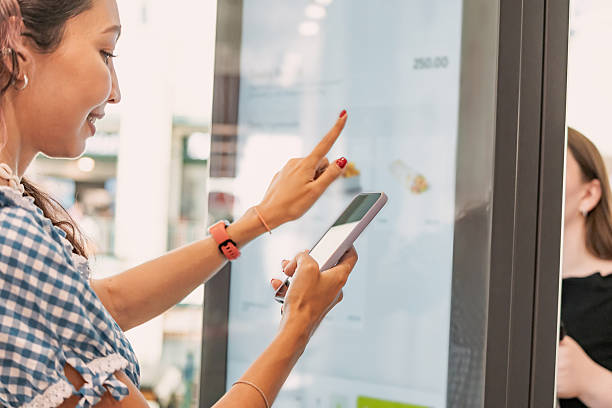
Many brands fear that thicker glass reduces touch sensitivity. لكن, modern capacitive touch technologies overcome this issue. Engineers calibrate sensors to detect touch through strong glass layers. لذلك, impact resistance no longer compromises smooth interaction.
This balance ensures that LCD digital kiosk touch screens deliver both durability and user-friendly performance.
Designing for Vandal-Proof Performance: A Necessary Priority in Public Installations
Vandalism remains one of the greatest threats to public digital screens. Cities, محاور النقل, and shopping centers invest heavily in maintaining infrastructure. Because vandalism can cause irreversible damage, engineers must design kiosk screens that resist scratching, prying, and deliberate impact.
Surface Protection Techniques
Anti-scratch coatings protect screens from sharp objects. These coatings maintain clarity while repelling marks. بالإضافة إلى ذلك, anti-graffiti films resist ink and paint, allowing quick cleanup. When combined, these protective layers reduce long-term maintenance costs and preserve screen appearance.
Structural Reinforcement
Strong outer frames discourage physical tampering. Many engineers use metal alloys that resist bending and denting. Reinforced mounting structures prevent thieves from pulling the device from its base. Hidden screws reduce access points for tools or prying attempts.
Internal reinforcement also matters. Engineers design support points that distribute force across the structure. نتيجة ل, the system can withstand strong external pressure.
Tamper Detection and Smart Monitoring
Modern vandal-proof systems also include digital protection. Engineers integrate sensors that detect unusual force or unauthorized access. These sensors send alerts to maintenance teams. نتيجة ل, issues are addressed before major damage occurs.
Combined, these strategies help public screens maintain performance even under high-risk conditions.
Thermal Management: Maintaining Stability Through Constant Use
Public screens operate for long periods. Some run 24 hours a day. Because of this, ترتفع درجات الحرارة الداخلية بسرعة. يؤدي ارتفاع درجة الحرارة إلى تقصير عمر المكونات ويؤدي إلى وميض الشاشة. لذلك, يجب على المهندسين تصميم أنظمة حرارية تحافظ على درجات حرارة داخلية ثابتة.
تعمل أنظمة التبريد السلبية على التخلص من المراوح وتقليل الضوضاء. كما أنها تقلل من تسرب الغبار. تعمل المصارف الحرارية والألواح الحرارية على توصيل الحرارة بعيدًا عن المكونات الحساسة. في المقابل, تستخدم أنظمة التبريد النشطة تدفق الهواء المتحكم فيه. على الرغم من فعاليتها, فهي تتطلب أنظمة ترشيح قوية لحماية الأجزاء الداخلية.
تؤثر درجة الحرارة المحيطة أيضًا على التصميم. في المناخات الحارة, يجب أن تتحمل الشاشات أشعة الشمس المباشرة. في المناخات الباردة, عناصر التسخين تمنع التكثيف. بدون هذه الأنظمة, الرطوبة تخلق مشاكل كهربائية.
موثوق LCD digital kiosk touch screens توازن الأداء الحراري مع الختم الواقي. يضمن هذا التوازن التشغيل المستقر في كل موسم.

الأداء البصري في ظل الظروف القاسية
Durability alone cannot define a successful public touchscreen. The display must also maintain clarity and brightness in difficult environments.
Sunlight Readability
Outdoor screens require high brightness to remain visible. Engineers often choose displays with 1500 ل 2500 nits of brightness. لكن, brightness alone is not enough. Anti-glare and anti-reflection coatings reduce glare under direct sunlight. These coatings improve visibility without increasing power consumption.
Protection From UV Degradation
UV exposure slowly damages LCD materials. Protective films and UV-resistant coatings prevent yellowing and preserve image quality. Because public screens remain outdoors for years, UV stability becomes an essential design factor.
Color Accuracy and Viewing Angle Optimization
Public displays must deliver clear images from multiple angles. Engineers use wide-viewing-angle LCD panels to ensure consistent color. Optical bonding enhances contrast and improves readability during bright daytime conditions. These design choices ensure consistent performance for demanding public environments.
User Interaction and Accessibility Engineering
Public kiosks must serve users of different ages, abilities, and physical conditions. لذلك, interaction design influences hardware engineering. Touch sensitivity must remain accurate across the entire surface. Moisture, تراب, and gloves should not affect performance. Engineers calibrate sensors to maintain stability under these conditions.
بالإضافة إلى ذلك, screen height and angle matter. Kiosks must support wheelchair users. They must also support quick interactions for crowded locations. Because user experience directly influences public satisfaction, engineering choices must support both durability and accessibility.
Long-Term Maintenance and Serviceability
Maintenance planning determines operational costs. Public displays must reduce downtime and simplify service.
Engineers design modules that allow fast replacement. Power systems, controllers, and touch sensors often use modular structures. نتيجة ل, technicians replace parts without dismantling the entire device.
بالإضافة إلى, smart diagnostics monitor performance. They track temperature, display health, and internal humidity. These systems alert maintenance teams before failures occur. Predictive maintenance reduces repair costs and prevents downtime.
For long-term projects, the total cost of ownership matters. موثوق LCD digital kiosk touch screens lower maintenance costs and support multi-year deployment.
Sustainability in Public Touch Screen Engineering
Sustainability now influences product selection. Many cities prefer energy-efficient systems. Engineers respond with low-power LCD modules and smart dimming technologies. These systems adjust brightness dynamically while reducing power usage.
Recyclable materials also support environmental goals. Metal frames, glass panels, and certain plastics can enter recycling streams. بالإضافة إلى ذلك, long-lasting components reduce waste over time.
As public infrastructure expands, sustainable engineering becomes part of responsible development.
خاتمة: Engineering That Supports the Future of Public Interaction
Public touch screens must deliver strong performance under constant pressure. They must resist weather, force, والتخريب. At the same time, they must remain bright, responsive, and user-friendly. This combination requires careful engineering that balances durability with functionality.
IP protection shields screens from environmental threats. Impact resistance protects against heavy use. Vandal-proof design protects long-term investment. When these elements work together, public screens remain stable for years.
Modern LCD digital kiosk touch screens now represent both technology and infrastructure. As cities adopt smart solutions, engineering quality becomes essential. Projects succeed when screens perform reliably, enhance public interaction, and reduce lifetime cost.
Strong engineering creates durable systems. Durable systems support smarter cities. This connection defines the future of public digital displays.
