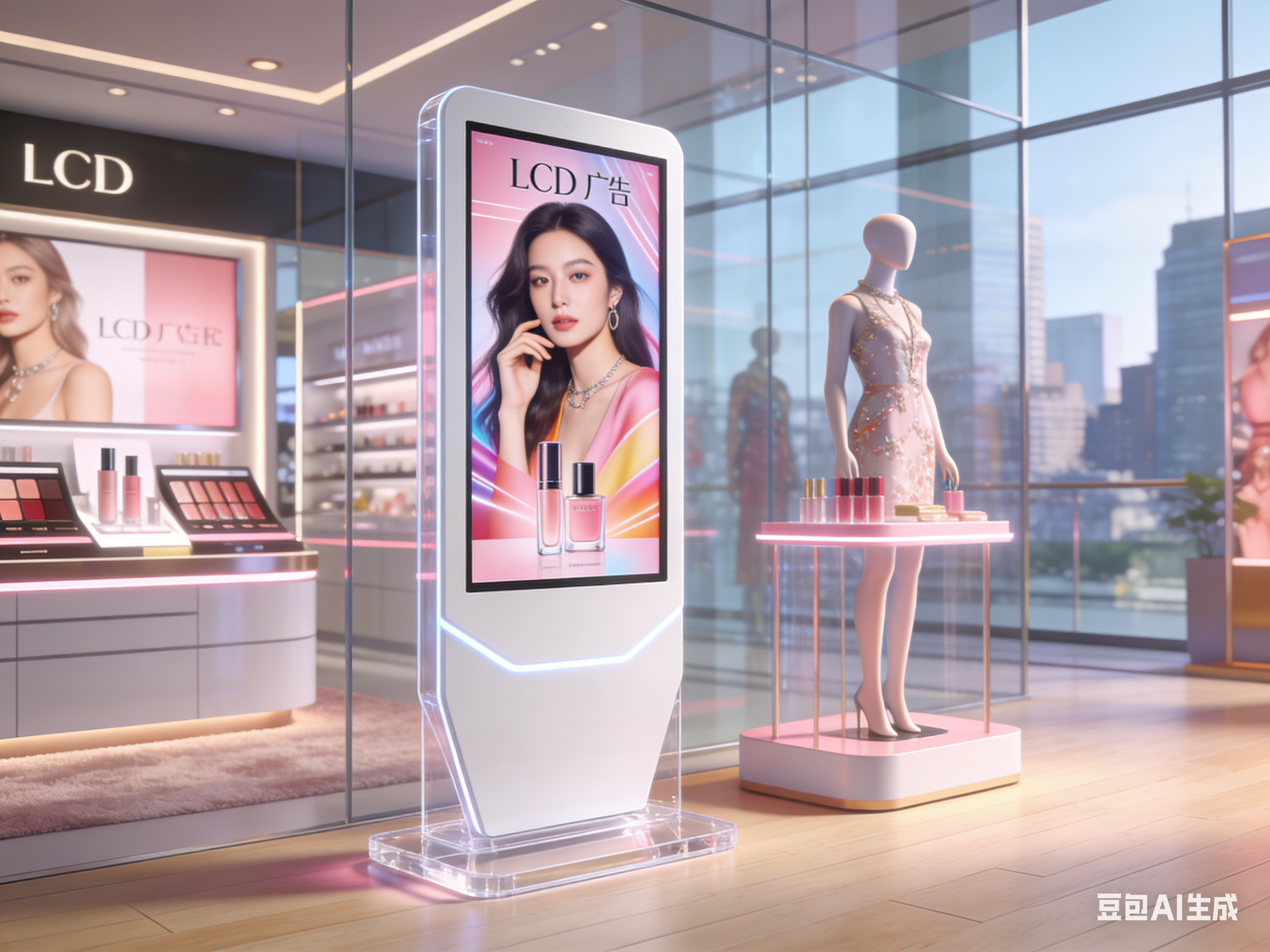
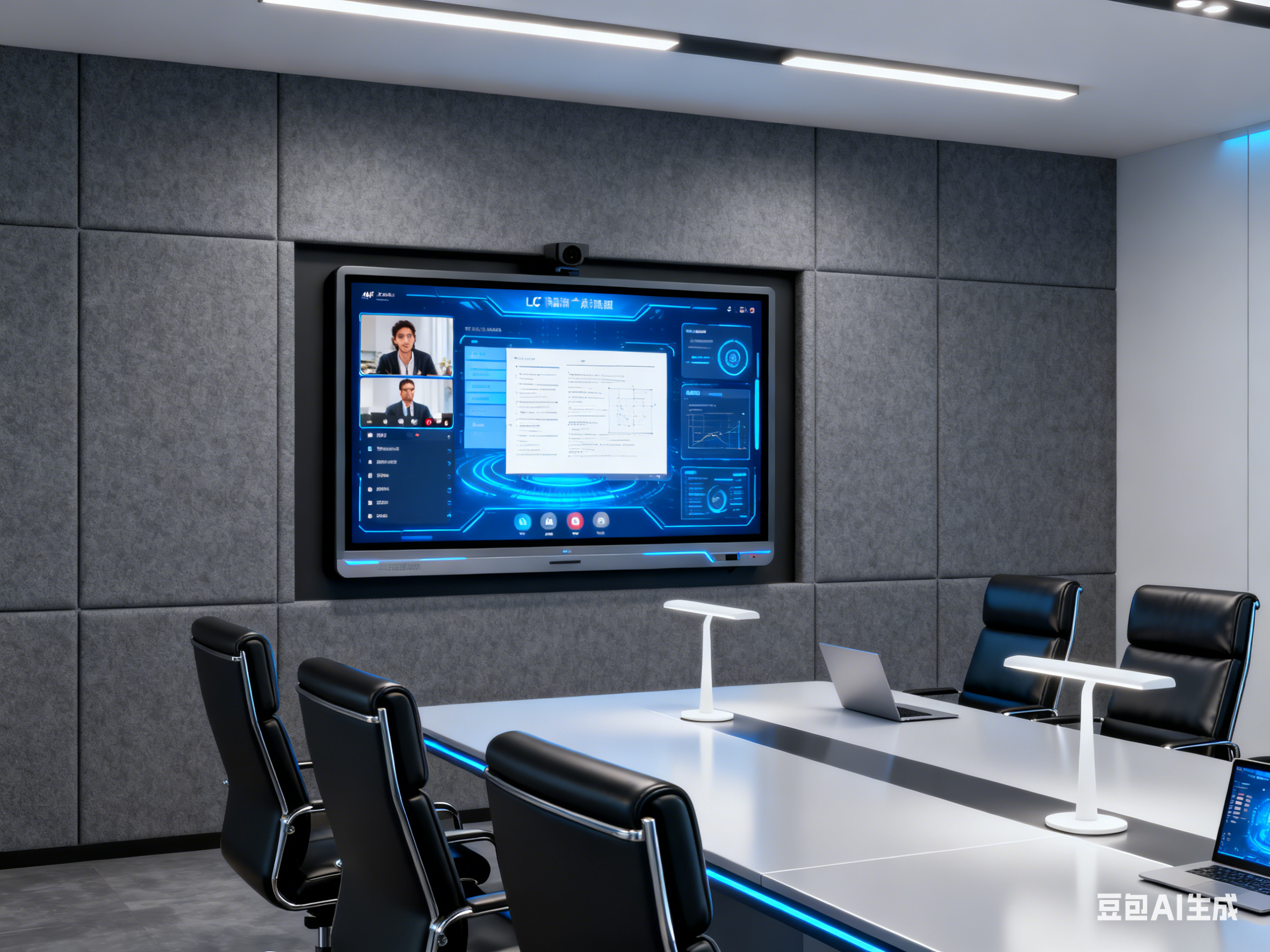
[Shenzhen, December 6, 2025] As “Digital China” steps into the deep water zone, a seemingly ordinary LCD advertising machine is becoming a “city traffic entry point” that local governments and brand owners are competing for. From the White Mountains and black waters to the Qiongya Cape, the seven major regional markets across the country are simultaneously staging a “Seven-domain race”, and a comprehensive competition over scenarios, technologies and business models has quietly begun.
North China: Policy dividends + Winter Olympics legacy, outdoor high-brightness demand surges
Benefiting from the integration of smart cities in the Beijing-Tianjin-Hebei region, Beijing, Tianjin and Xiongan will simultaneously launch the “Hundred Streets and Thousand Screens” plan in 2025, with a focus on transforming traditional light box road signs. Xunbao Juneng won the bid for a 120 million yuan section with its 42-inch 3000 cd/m² ultra-thin apple molding machine. The equipment is equipped with dual algorithms of light sensing and temperature control, which can adaptively adjust the brightness in extreme weather conditions such as sandstorms and heavy snow. The first batch of 300 units have been displayed on the Imperial Road along the central axis of Beijing, becoming a new check-in spot for night visitors to the Forbidden City.
Northeast: Old industrial bases undergo “chip replacement”, and retail scenarios are rejuvenated
In the core business districts of Dalian and Shenyang, local operators have joined hands with JD Retail Cloud to deploy double-sided hanging advertising machines. Through the “SaaS+ supply chain” model, the screens not only play brand TVCS but also can list the same products on e-commerce platforms in real time. Consumers can scan the code to directly place orders through the mini-program, with an average conversion rate of 8.4%, which is five times higher than that of traditional light boxes.
East China: National-level pilot for digital business districts, software-defined hardware
The Nanjing Road Pedestrian Street in Shanghai has completed the country’s first closed-loop experiment of “digital signage + consumption vouchers”. Interstellar Network provides a bottom-level broadcast control system. After customers claim coupons through the Alipay mini-program, they can “shake” in front of any LCD screen to trigger a 3D coupon float effect, increasing the redemption rate to 62%, which is much higher than the 18% of online coupon distribution. At present, the system has been replicated in 8 cities including Suzhou, Hangzhou and Hefei, with a total of 18 million vouchers issued, driving offline consumption of over 2.6 billion yuan.
South China: The manufacturing base is advancing upstream
Shenzhen, Huizhou and Dongguan are home to approximately 70% of the world’s advertising machine contract manufacturing capacity. In 2025, TCL CSOT announced that the shipment of commercial panels of 55 inches and above would prioritize local strategic customers and promised to lock in prices for 12 months to help downstream customers cope with panel fluctuations. This strategy directly led to an 8% decline in the export quotations of LCD advertising machines in South China compared to 2024, securing more orders in high-price-sensitive markets such as Europe and the Middle East.
Central China: The scene of transportation hubs is booming
All the old plasma screens at the high-speed railway stations in Wuhan, Zhengzhou and Changsha have been completely phased out and replaced with 75-inch 4K high-refresh rate LCD advertising machines. On average, 120 machines are installed at each station. They are equipped with a “5G+ Beidou” synchronous system, which can achieve a single network broadcast control across the country. During the Spring Festival travel rush, a domestic car brand completed the launch of its new car in 18 cities through this network. Within 30 minutes, its exposure exceeded 110 million times, setting a new record for outdoor launches.
Southwest: Culture and tourism + ethnic customs, content localization accelerates
In scenic spots such as Lijiang, Dali and Jiuzhaigou, operators have adopted wall-mounted small-sized advertising machines launched by Yusong Technology. The outer shell is laser-engraved with Dongba and Yi characters. 80% of the content played is short videos of local intangible cultural heritage, and the remaining 20% of the time slot is used to sell commercial advertisements. This not only increases the rate of tourists’ stops but also creates additional income for the scenic spot management bureaus. It is expected that the number of such “cultural screens” in Yunnan Province will exceed 15,000 by 2025.
Northwest: A major Test of High Cold and High Altitude Technology
All 32 stations along the Lanzhou-Urumqi high-speed railway have been equipped with low-temperature LCD advertising machines that can start at -40℃. These machines are built with heating films and graphene heat dissipation layers, and can complete defrosting within 15 minutes. According to statistics from China Railway Lanzhou Bureau, in the third quarter of 2025, the passenger volume of this line increased by 38% year-on-year, and the commercial filling rate of newly installed screens has reached 91%, making it a new growth pole for media in the northwest railway hub.
Behind the “Seven-Domain Race” lies a true portrayal of the industry’s shift from scale competition to value competition. According to the prediction of Co-Research Network, by the end of 2026, the proportion of LCD advertising machines with “local cultural customization + data return capability” will exceed 50% for the first time, while the pure contract manufacturing model relying solely on hardware premium will be further marginalized. Facing fragmented scenarios and constantly upgrading user experience demands, whoever can first complete the four-in-one layout of “hardware + software + content + operation” will be able to seize the initiative in the second half of the 2025 race.
Written by Wendy Peng